The Weight of a Fountain Pen: Why the Handwritten Note Still Distinguishes the Modern Gentleman
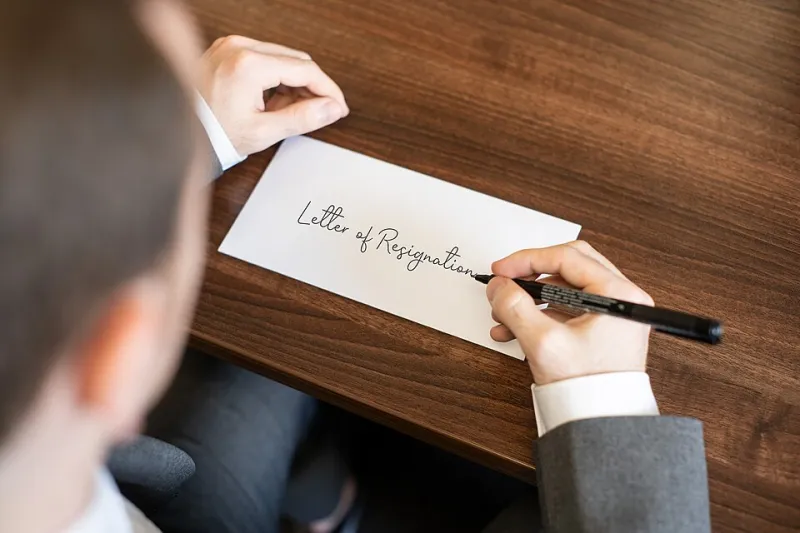
Photo: CIPHR Connect, CC BY 2.0, via Wikimedia Commons
The Case Against the Instant Message
A text arrives within seconds. It is read, perhaps answered, and then buried beneath the next notification. A handwritten note arrives differently. It is opened, held, and read at the pace of the hand that wrote it. In a world that has made communication instantaneous, the note has become a form of restraint—and restraint, properly understood, is one of the quiet pleasures of civilised company.
For the modern gentleman, the handwritten note is not nostalgia. It is proportion. It says that a courtesy was worth more than the effort of a thumb. It says that the recipient was worth the pause. In the context of discreet companionship, where so much depends on trust and atmosphere, that pause can be more eloquent than any elaborate gesture.
When a Note Is Warranted
The note should never become routine. A card sent after every meeting loses its weight. The handwritten note is at its best when it marks something specific: a first evening that exceeded expectation, a particularly thoughtful arrangement, a kindness that deserves acknowledgement, or the conclusion of a chapter that both parties understand has been well handled.
It is also useful after a difficult logistical episode. If a reservation was changed at short notice, if a car was delayed, if a plan had to be reshaped, a brief note of thanks for patience and good humour can repair more than an apology text ever could. The note does not grovel. It simply acknowledges.
What the Card Should Say
A good note is short. Three or four sentences are usually enough. It should name the occasion without describing it in detail. It should express appreciation without flattery. It should be warm without becoming familiar, and specific without becoming indiscreet.
The opening can be simple: 'I wanted to thank you for a truly civilised evening.' The middle should carry the substance: a reference to the conversation, the setting, or the ease of the company. The close should be gracious and final: 'I hope our paths cross again before long.' What matters is not literary flourish but sincerity of tone. A note that sounds as though it has been drafted by a committee is worse than no note at all.
What It Must Never Say
Discretion is the first duty of the note. It should never contain a surname, an address, or a reference to anything that would embarrass the recipient if the card were seen by the wrong pair of eyes. It should not allude to fees, arrangements, or the mechanics of an evening. It should not use possessive language or imply an intimacy that has not been offered.
The note should also avoid the opposite error: excessive formality that reads as coldness. A card that sounds like a business letter misses the point. The handwritten note is a personal courtesy, not a receipt. It should feel as though it was written by a human being who was actually present.
The Stationery and the Hand
A plain card is almost always best. Cream or white, unlined, with an envelope that closes properly. A monogram is acceptable if it is discreet; a printed name is not. The pen should be a fountain pen or a good rollerball that lays down ink without hesitation. Blue-black or black ink is safer than anything more decorative.
The hand matters less than the intention. A modest hand written carefully is more persuasive than a florid hand written hurriedly. The note should be written in one sitting, without corrections that look like second thoughts. If a word is wrong, begin again. The recipient will notice the care, even if they cannot say why.
The Delivery
Delivery should be as quiet as the note itself. A first-class stamp and a plain envelope are sufficient. If the note is handed over in person, it should be done without ceremony—left on a hall table, slipped into a bag, or passed over with a brief word of thanks. It should never be presented as a performance.
For those who wish to be especially considered, a note posted the following morning carries its own charm. It arrives after the evening has settled, when the memory is still warm but the occasion has passed. That timing—neither too eager nor too late—is part of the courtesy.
The Longer Echo
The handwritten note does not replace conversation, and it does not manufacture rapport. It simply extends it. In a culture that rewards speed, it rewards patience. In an industry that depends on trust, it demonstrates trustworthiness. And in a city as attentive to small signals as London, it marks the gentleman who understands that the smallest gestures often carry the longest echo.
A card, a pen, a few sentences carefully chosen: these are not grand gestures. They are better than grand gestures. They are the sort of quiet distinction that Belgravia has always recognised, and that modern companionship still rewards.